India's inflation hits 6.09% in October, past the central bank's ceiling, with onion prices more than doubled
Retail inflation rose from 5.54% to 6.09% and food inflation to 8.94%. The central bank had warned of a 6% quarter; its minutes show a divided committee.
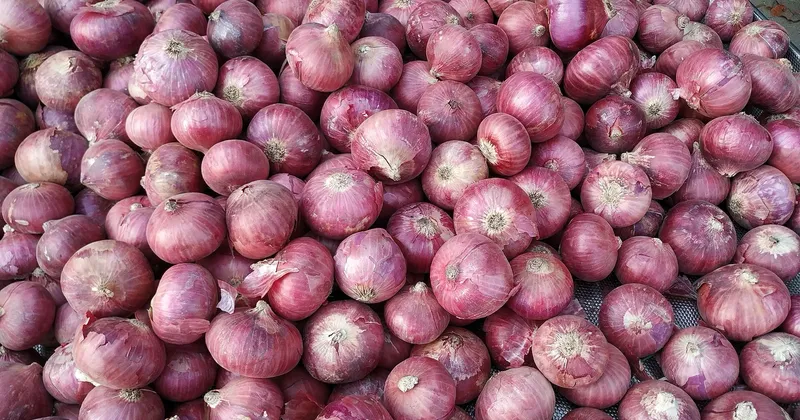
India’s consumer prices were 6.09% higher in October than a year earlier, up from 5.54% in September, the statistics ministry said on 12 November. Food prices rose 8.94% on the year, up from 7.74%. The headline number is just above 6%, the upper tolerance limit the central bank works within, and it lands five weeks after the bank raised its policy rate.
What the ministry’s release shows
The figures come from the National Statistics Office’s consumer price index, which uses 2024 as its base year. The October numbers are provisional. Prices are collected by field staff in 1,407 urban markets, including online markets, and 1,465 villages, and the ministry reports a 100% response rate for the month.
Rural inflation was 6.63% and urban 5.41%. Within the basket, restaurants and accommodation ran at 10.06% and the personal care and miscellaneous group at 10.14%, the two highest divisions. Food and beverages as a whole were up 8.51%. Transport inflation was 5.84%. Housing, water, electricity and gas was at 2.90%, and health at 2.05%, so price pressure is lopsided rather than general.
The items that moved most tell their own story:
- Onion: 116.22% higher than a year ago, after 108.13% in September.
- Garlic: 60.74%.
- Silver jewellery: 52.39%, down from 87.82% in September.
- Ginger: 48.32%.
- Lemon: 47.30%.
At the other end, potato prices were 14.24% lower, cauliflower 10.57% lower and coconut 5.60% lower. Cheap tubers and expensive onions in the same month is a reminder that a national food index averages very different household experiences. The ministry also warns that state-level item indices should be used with caution because some are built from thin samples of price quotes.
The central bank saw this coming, partly
On 7 October the Reserve Bank of India’s Monetary Policy Committee raised the repo rate by 25 basis points to 5.50%. The minutes, published on 21 October, record a 6-0 vote for the rise. The change of stance to “calibrated tightening” was less settled: four members backed it, while Nagesh Kumar and Ram Singh wanted to stay neutral.
Singh said he did “not favour shifting the stance from neutral to tightening mode.” Governor Sanjay Malhotra took the other line, saying that “rate cuts are off the table in the near term and policy action ahead can only be a rate hike or a pause.”
The bank’s own projections already pointed at this month. It expected consumer-price inflation of 5.2% for the fiscal year 2026-27, with 6.0% in the October-December quarter and 5.7% in the January-March quarter. Deputy Governor Poonam Gupta noted “the likelihood of headline inflation hitting the upper tolerance limit of 6 per cent.” October’s 6.09% is one month, and the quarter’s average is what the bank forecast, so the reading is close to its path rather than a break from it.
Why growth is not the brake it might be
Growth is what gave the committee room to act. The minutes show the bank projecting real GDP growth of 7.1% for 2026-27, with 7.2%, 6.9% and 6.8% for the second, third and fourth quarters of the fiscal year. Core inflation, which strips out volatile items, is projected at 4.4% for the year. A headline above 6% beside a core projection of 4.4% suggests that much of the pressure sits in food and other volatile items, though October’s division data show restaurant and personal-care prices climbing at about 10% as well.
What to watch
Two things settle whether October is a peak or a plateau. The first is food, where the spread between onion, garlic and ginger on one side and vegetables like potato on the other will matter more than the average. The second is how the committee reads a headline that crossed 6% only just. Its minutes leave the choice between a further hike and a pause open.
The next consumer price release, for November, is due on 14 December. That report will show whether the food spike is fading or whether the double-digit rises in services such as restaurants are spreading into the rest of the basket.
Sources
More in Economy
-
Australia's central bank lifts rates to 4.85% on a 6-3 vote, and the minutes show what the three feared
The Reserve Bank of Australia made its fifth increase of 2026. Its minutes set out why six members raised the cash rate and why three wanted to wait.
-
ASEAN signs its first binding digital economy agreement, and most of the work comes after the signatures
The Manila agreement sets rules on e-payments, data flows and paperless trade, enters into force about 180 days after signing, and lets ready members move first.
-
China's trade surplus passes $1 trillion again, and October's imports grew faster than its exports
Customs data show a $1.04 trillion surplus after ten months, helped by chips and AI hardware. Imports rose 41.6%, which shrank the monthly gap, not the record.