Exxon signs a non-binding deal to look at Venezuelan oil fields, 19 years after it was pushed out
A memorandum signed in Caracas gives ExxonMobil one year of exclusivity to assess seven areas. It commits no capital, and the company lists conditions.
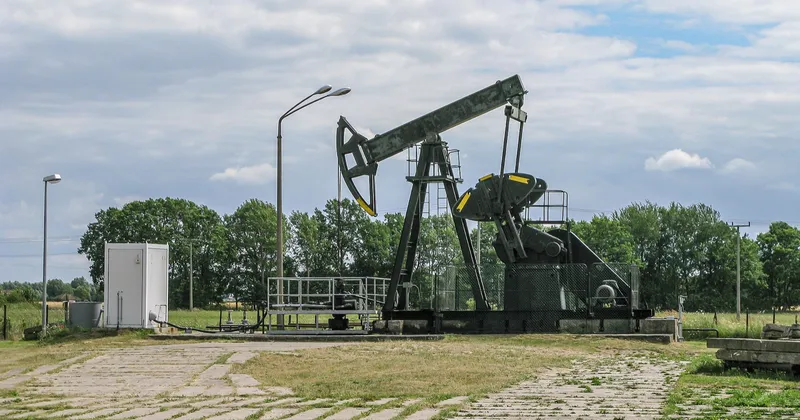
ExxonMobil and Venezuela’s state oil company PDVSA signed a memorandum of understanding in Caracas on Monday 9 November. The document is preliminary and non-binding. It lets Exxon study possible oil projects, and it creates no obligation to join any of them or to commit capital. Exxon left the country in 2007, and the signing is the first formal step back.
What the paper actually grants
PDVSA president Héctor Obregón and ExxonMobil country executive Andrés Acosta signed it, in a ceremony led by Venezuela’s interim president, Delcy Rodríguez, with Exxon upstream president Dan Ammann attending, according to World Oil. Citing Reuters sources, World Oil says the memorandum gives Exxon a one-year exclusive period to negotiate contract terms and review subsurface data. It can evaluate seven areas: Petromonagas, formerly the Cerro Negro heavy-oil project in the Orinoco Belt, three other Orinoco areas and an exploration block.
The fields have not been named officially. Oil & Gas 360 stresses that any project would still need a definitive joint-venture or production-sharing agreement with commercial terms acceptable to Exxon. In other words, Monday’s signing is a licence to look, not to drill.
The company’s conditions
Exxon called the memorandum a “meaningful first step” and said future investment depends on stable policies, clear regulations and competitive returns. Ammann, quoted by Latin Times from EFE’s report, said it was an important first step toward the company’s return. Rodríguez said the memorandum followed months of negotiation and that she hopes it will soon lead to concrete investment agreements.
The tone on both sides has changed. Latin Times recalls that in March 2025 Rodríguez accused Exxon of conspiring against Venezuela and trying to seize its resources. It also reports that Donald Trump has encouraged US energy companies to invest in Venezuela since a US military operation captured Nicolás Maduro in January.
A past that is not settled
Petromonagas is where the old dispute lives. Oil & Gas 360 says Exxon held 41.67% of the Cerro Negro project and 50% of the La Ceiba project before it exited after the Chávez government nationalised major oil projects and required foreign operators to give up controlling stakes. An arbitration tribunal awarded compensation in 2014, but later legal proceedings complicated the matter, and some claims remain outstanding.
The ownership map has since changed. World Oil reports that Russia’s Roszarubezhneft holds 40% of Petromonagas, and that Venezuela’s oil minister, Paula Henao, said her government would respect its agreements with Russia and China. Exxon would be entering a field where a Russian state company already sits at the table.
Who else is watching
US Energy Secretary Chris Wright described the progress as “tremendous progress in a remarkable short time,” World Oil says. Chevron plans to invest about $7 billion over five years to raise production, Oil & Gas 360 reports.
Political risk is not only in Caracas. Latin Times, citing a 4 November S&P Global Energy analysis, notes that Democrats are set to control both chambers of Congress after the 3 November midterms, and that lawmakers are expected to examine US involvement in Venezuela’s oil sector. The focus is an August agreement with North America Blue Energy Partners, under which the US government holds a 35% ownership interest and can buy 20% of production at cost. The scrutiny is not aimed at Exxon’s memorandum, and analysts do not expect Congress to reverse the administration’s broader policy. Still, Atlantic Council adviser David Goldwyn warned that scrutiny could significantly affect investment, and Rice University’s Kenneth Medlock said investigations could deter smaller investors while major companies weigh long-term profitability and risk.
What it is worth
Venezuela’s production is modest next to its reserves. Latin Times reports that PDVSA and its partners produced about 1.23 million barrels a day in October, with officials targeting 1.3 million by year-end. Oil & Gas 360 adds that the country’s heavy oil in the Orinoco Belt needs specialised technology, upgrading facilities, transport and a lot of capital, and it reads the memorandum as a long-term opportunity rather than an immediate source of crude.
The three sources agree on the main point: nothing yet binds Exxon. What would turn the paper into barrels is the content of a future contract, including how it treats the old arbitration claim, the existing Russian stake and the protections Exxon says it needs. Those terms are what to watch over the coming year of exclusivity.
Sources
- World Oil: ExxonMobil signs MoU with PDVSA in first step toward Venezuela return worldoil.com
- Latin Times: Venezuela and ExxonMobil sign a preliminary agreement for the company's return latintimes.com
- Oil & Gas 360: ExxonMobil signs preliminary agreement on Venezuelan oil opportunities oilandgas360.com
More in World
-
Russia sends 70 businessmen to Kabul, and the Taliban's pitch is fertilizer plants, railways and special economic zones
A Russian deputy prime minister brought a business delegation to Afghanistan. The reported trade total is $349 million, but no contracts have been disclosed.
-
The UN Security Council renews Yemen sanctions by consensus, a year after Russia and China abstained
The Council extended asset freezes and travel bans on Houthi targets to November 2027 and aimed at drone and missile supplies, without a recorded vote.
-
The EU and Nigeria sign a readmission deal after a decade of talks, and what Abuja gets is still open
The first EU-Nigeria agreement on returning migrants was signed in Abuja. Parliament and Council must still approve it, and the promised aid is not itemised.